

BALI, INDONESIA
10:58 AM
BOUTIQUE BROKERAGE
ESTD.2025
IDR
Babi Guling Bali is a traditional Balinese roasted pig dish, celebrated for its aromatic spices, crispy skin, and tender meat. Deeply rooted in Balinese culture and ceremonies, it symbolizes community and heritage. Whether enjoyed at Ubud’s famous warungs or upscale restaurants, tasting babi guling offers a rich culinary and cultural experience.
If you travel to Bali, one of the must-try dishes that truly captures the island’s rich culture and tradition is babi guling bali. This iconic Balinese roasted pork is more than just food; it’s a culinary experience that tells a story of community, celebration, and heritage. In this blog, we'll take you on a journey to understand why babi guling bali holds such a special place in Balinese cuisine and why it is an unmissable treat for any visitor.
Babi guling bali refers to a whole roasted pig, traditionally prepared and cooked using unique Balinese spices and techniques. The term “babi” means pig, and “guling” means to roll, referring to the pig being skewered and slowly roasted on a spit over an open fire or hot coals. The result? A dish with crispy, flavorful skin and tender, succulent meat infused with a blend of spices.
This dish is often prepared for special occasions, ceremonies, and festivals in Bali. It’s a centerpiece at weddings, temple celebrations, and important communal gatherings, symbolizing prosperity and gratitude.
Bali has a rich cultural heritage, influenced by Hindu traditions and local customs. Babi guling bali is deeply rooted in these beliefs. Traditionally, the preparation of babi guling was linked to religious offerings and was part of communal rituals. Families would gather to prepare the pig together, and the cooking could take hours, often done overnight to ensure the perfect roast.
Since the pig is roasted whole, every part is used and nothing goes to waste. This practice shows respect for the animal and the natural resources, an important Balinese value.
The magic of babi guling bali lies in its spices and preparation. The pig is stuffed with a mixture of aromatic herbs such as turmeric, lemongrass, garlic, shallots, coriander, and kaffir lime leaves. These ingredients give the meat a robust, fragrant flavor that cannot be replicated.
The roasting process is slow and careful. The pig is rolled continuously over an open flame, ensuring an even cook. The skin turns golden brown and crispy, while the inside remains juicy and tender.
Another unique part of babi guling bali is the side dishes served with it. Typically, the pork is accompanied by steamed rice, spicy sambal (chili paste), lawar (a traditional Balinese mixed vegetable and meat salad), and sometimes crispy pork cracklings. These sides not only complement the pork but enhance the whole eating experience by adding layers of texture and flavor.
If you want to experience authentic babi guling bali, you’ll find plenty of options all over Bali, but some places are legendary for their version. In Ubud, which is the cultural heart of Bali, places like Ibu Oka have become famous for their babi guling. The busy atmosphere and long lines at Ibu Oka are proof of the dish’s popularity.
In Gianyar, a regency next to Ubud, you can find many family-run warungs (small eateries) offering babi guling bali cooked according to age-old family recipes. Some of these spots might not look fancy, but they serve some of the tastiest roasted pork on the island.
If you want a more upscale dining experience, many restaurants across Bali now include babi guling on their menus, often offering fusion dishes that combine traditional flavors with modern twists.
Eating babi guling bali is not just about tasting the food; it’s about embracing the culture. Here are some tips to enjoy babi guling bali like a local:
The cultural significance of babi guling bali extends beyond its taste. In Balinese rituals, the pig represents abundance and a connection between the community and their deities. Serving babi guling during ceremonies is a tribute to the gods and a way to share blessings with family and friends.
This tradition has been passed down through generations, keeping the spirit of togetherness alive. Today, babi guling is still commonly featured in key celebrations and is a symbol of Balinese identity and pride.
If you're visiting Bali and eager to try this dish, here are some practical tips:
After experiencing babi guling bali, it’s clear why it is one of the most beloved dishes on the island. It’s not just the taste but the story behind it, the communal way of cooking, and the cultural roots that make it special.
For food lovers, trying babi guling bali offers a window into Bali’s culture and history. It's more than a meal; it’s a connection to the Balinese way of life. So whether you’re a culinary adventurer or someone who appreciates traditional food, babi guling bali promises a memorable and enriching dining experience.
Babi guling bali stands as a powerful example of how food can reflect culture, tradition, and community. From the aromatic spices to the methodical roasting process, and its role in celebrations, this roasted pig dish embodies the spirit of Bali.
Next time you find yourself on this beautiful island, don’t miss the chance to indulge in babi guling bali. It’s a culinary journey you’ll treasure—a taste of Bali’s heritage that stays with you long after your trip is over.
---
Whether you're here to explore Bali’s stunning landscapes or dive deep into its vibrant culture, babi guling bali is a delicious tradition you need to experience. It’s more than just a meal—it's a story, a celebration, and a symbol of Bali itself. So, grab a plate and enjoy one of Bali’s most cherished culinary treasures!
April 12, 2026

Planning a 2024 trip to Bali? This ultimate travel guide reveals insider tips, the best times to visit, top destinations like Ubud and Nusa Penida, local food must-tries, and cultural customs. Discover hidden gems, safe travel advice, and sustainable tips to ensure an authentic and unforgettable Bali experience.

April 12, 2026
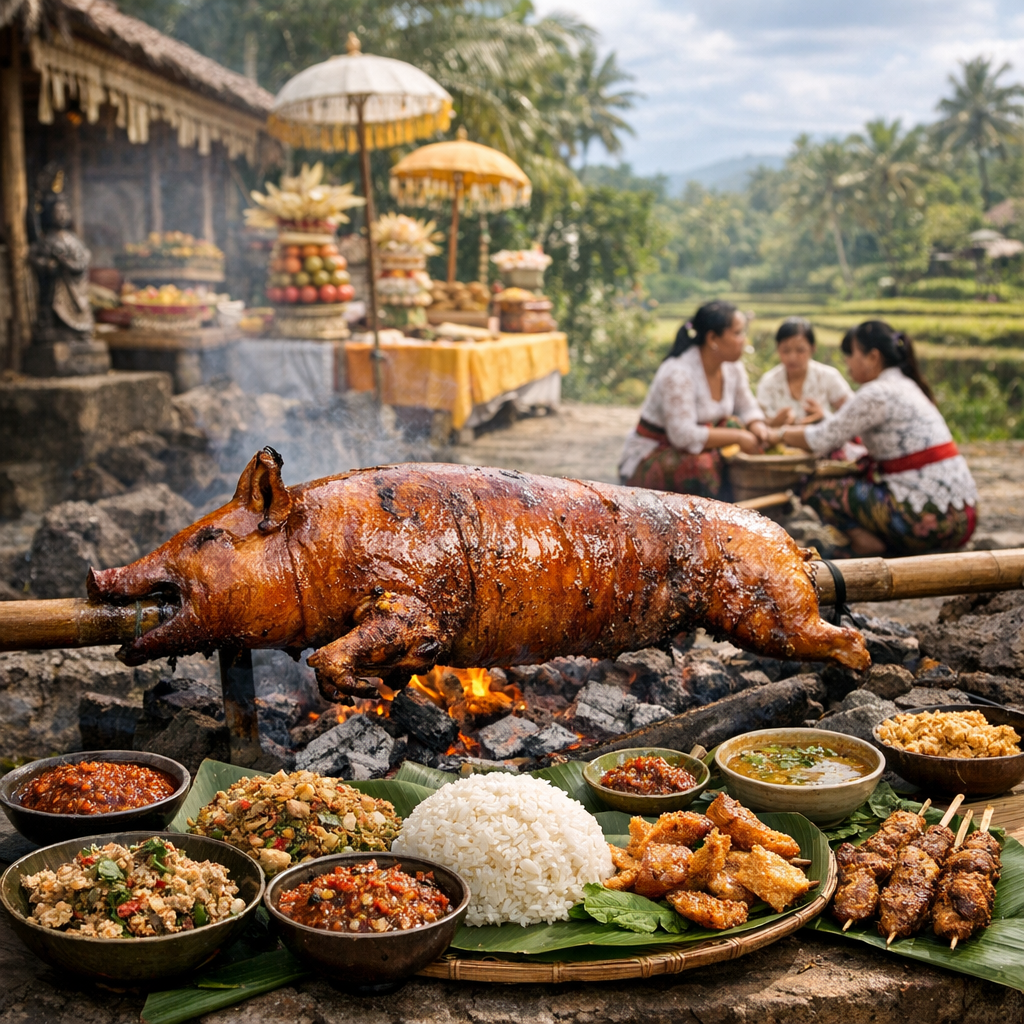
Babi Guling Bali is a traditional Balinese roasted pig dish, celebrated for its aromatic spices, crispy skin, and tender meat. Deeply rooted in Balinese culture and ceremonies, it symbolizes community and heritage. Whether enjoyed at Ubud’s famous warungs or upscale restaurants, tasting babi guling offers a rich culinary and cultural experience.
April 7, 2026
April 7, 2026
April 7, 2026
April 3, 2026