

BALI, INDONESIA
10:58 AM
BOUTIQUE BROKERAGE
ESTD.2025
IDR
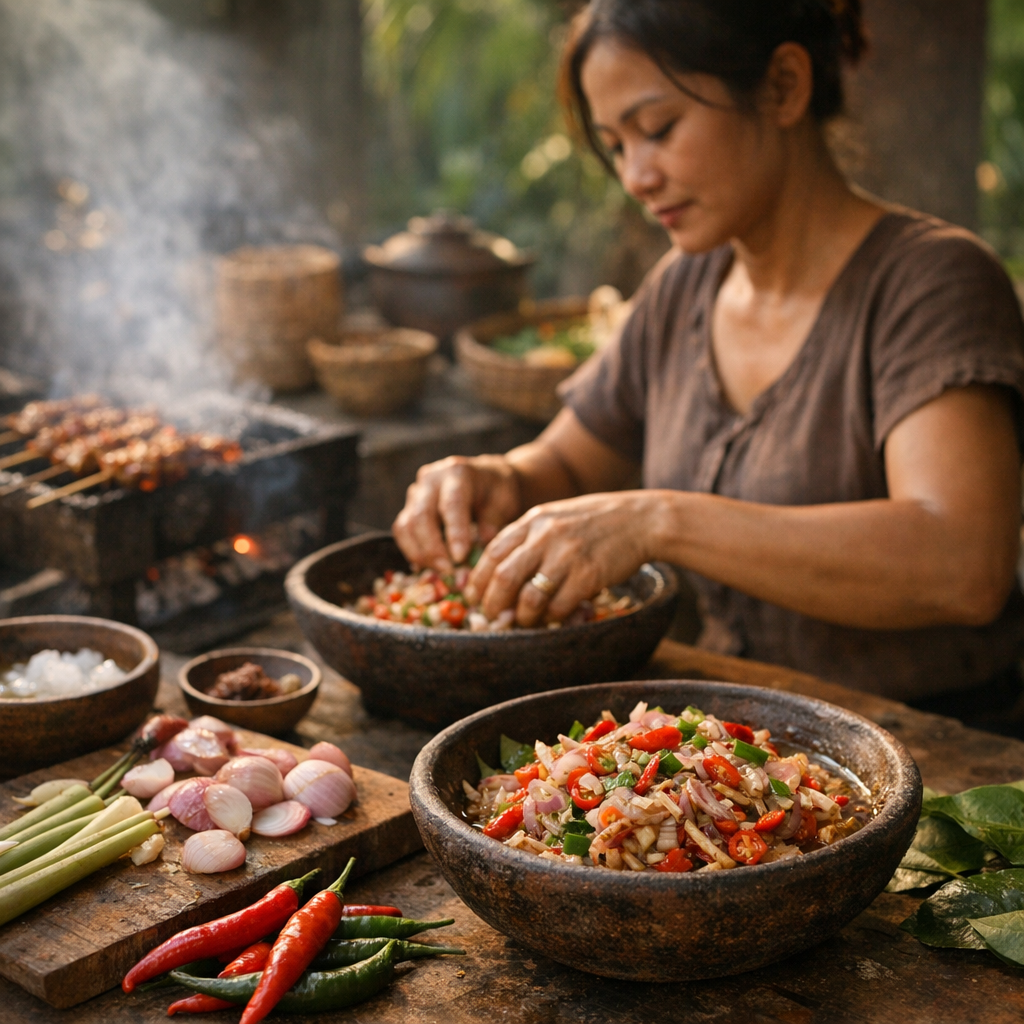
Discover the vibrant flavors of Bali with sambal matah bali, a fresh, fiery raw condiment made from shallots, bird’s eye chilies, lemongrass, kaffir lime leaves, and warm coconut oil. This easy-to-make sambal adds a spicy, aromatic kick to grilled dishes, rice, and veggies—truly a must-try taste of authentic Balinese cuisine.
July 8, 2026


When you think of Bali, images of stunning beaches and vibrant culture may come to mind. But behind the scenes, Bali’s rich culinary traditions hold some remarkable secrets. Among these, sambal matah bali stands out as a fresh, fiery condiment that perfectly captures the island’s essence. This flavorful sauce is much more than just a sidekick—it’s a star in its own right and a must-try for anyone looking to experience authentic Balinese cuisine.
In this blog, we'll explore the origins, ingredients, preparation, and uses of sambal matah bali. Whether you’re a seasoned food lover or just starting your culinary journey, you’ll discover why this simple yet bold sambal is a treasure worth your attention.
Sambal matah bali is a traditional Balinese raw sambal, meaning it is made from fresh ingredients and served uncooked. Unlike many other sambals that involve cooking or frying chilies, sambal matah bali retains the crispness and aroma of its ingredients by using them raw and finely chopped or sliced.
The word “matah” itself means “raw” or “uncooked” in Balinese, which underlines the freshness of this sambal. The result is a condiment bursting with bright, sharp, and spicy flavors that invigorate the palate.
Bali’s food culture is a unique blend of indigenous flavors and influences from neighboring islands, but sambal matah bali is a firmly local creation. Traditionally, it accompanies grilled fish, meats, and rice dishes, providing a spicy contrast that balances the richness of the main course.
Sambal matah bali is so popular in Bali that you can find it in almost every warung (small restaurant) and household kitchen. It’s more than just a sauce—it’s part of the island’s cultural identity and culinary heritage.
What sets sambal matah bali apart is its simple yet powerful combination of fresh ingredients. The typical ingredients include:
Making sambal matah bali is quick and straightforward, perfect for home cooks and professional chefs alike. Here’s a simple guide:
Sambal matah bali is extremely versatile. The most traditional use is alongside grilled seafood, especially fish. The fresh, spicy flavor cuts through the richness of grilled dishes, enhancing every bite.
In recent years, sambal matah bali has found its way into fusion dishes worldwide. You can:
Because sambal matah bali uses raw ingredients, it retains many of their natural nutrients. For instance, shallots and chilies are rich in vitamins and antioxidants. Lemongrass and kaffir lime leaves have anti-inflammatory properties and aid digestion.
Sambal matah bali balances heat, freshness, and aroma in every bite. The combination of raw crisp shallots, fiery chilies, and fragrant herbs creates a complex flavor profile that is refreshing and exciting.
This sambal is quick to prepare, requiring no cooking skills, and easy to tweak according to your heat preference or ingredient availability. It’s a great introduction to Indonesian cooking for beginners.
If you visit Bali, trying sambal matah bali at local warungs and restaurants is a delicious experience. Each vendor may have a slightly different recipe, so sampling a few versions is worthwhile.
Many Indonesian or Southeast Asian grocery stores sell pre-made sambal matah, but it’s often fresher and tastier when made at home. You can find online recipes and even specialty ingredient kits.
Sambal matah bali is more than a spicy condiment—it’s a reflection of Bali’s vibrant culinary culture. If you crave a fresh, fiery flavor to enliven your meals, this raw sambal is a must-try. Its straightforward preparation, bold taste, and versatility make sambal matah bali a wonderful addition to any kitchen.
Next time you want to add a touch of Bali’s magic to your cooking, whip up some sambal matah bali and enjoy the vibrant flavors of this island treasure.
Q1: Is sambal matah bali very spicy?
A: It depends on how many bird’s eye chilies you use. It can be quite spicy but can be adjusted to suit your taste by reducing the chili amount.
Q2: Can I store sambal matah bali?
A: It’s best served fresh. If stored in the fridge, it should be consumed within 1-2 days as the fresh ingredients will soften and lose their texture.
Q3: Can I substitute ingredients?
A: While the traditional ingredients make the authentic flavor, you can experiment with



July 8, 2026
Discover Bali’s top 5 star hotels offering unparalleled luxury, from beachfront palaces to jungle retreats. Experience elegant villas, private pools, award-winning dining, and traditional Balinese hospitality. Whether you seek romance, wellness, or family fun, this guide highlights the best resorts to ensure a flawless and unforgettable stay in Bali.

June 30, 2026
Escape everyday stress with a Bali wellness retreat—an immersive journey into relaxation, holistic healing, and cultural immersion. From serene jungle hideaways to beachfront resorts, enjoy yoga, meditation, traditional Balinese therapies, and nutritious plant-based meals. Discover top retreats like Fivelements and Como Shambhala, and learn how to choose and prepare for your perfect wellness getaway.
June 23, 2026
Discover Ubud’s vibrant food scene, from authentic Balinese flavors to innovative and healthy options. Explore top restaurants like Locavore for sustainable fine dining, Ibu Oka’s famous babi guling, and vegan favorites Clear Café and Alchemy. Whether seeking local street food or romantic river views, Ubud offers unforgettable culinary experiences for every palate.