

BALI, INDONESIA
10:58 AM
BOUTIQUE BROKERAGE
ESTD.2025
IDR
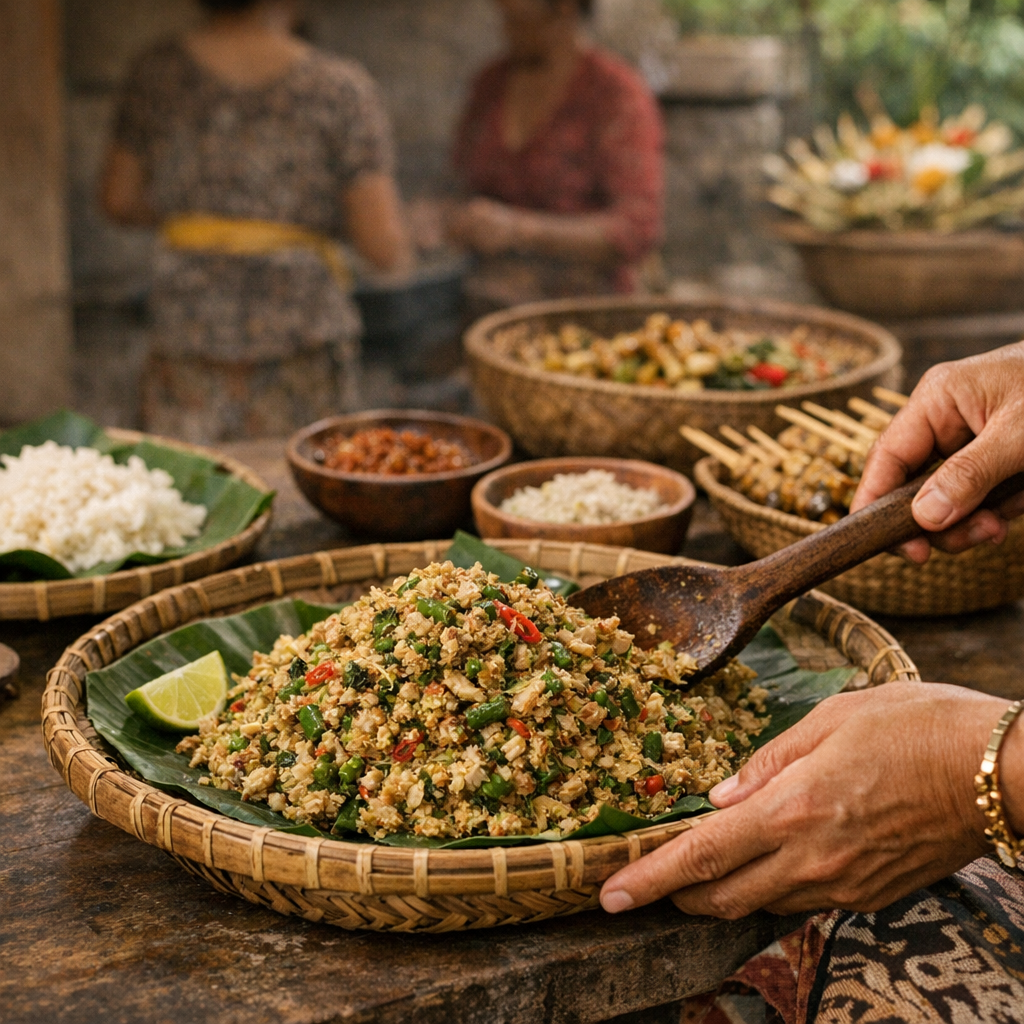
Discover the vibrant flavors and rich cultural heritage of lawar Bali, a traditional Balinese dish blending meat, vegetables, spices, and fresh coconut. Often served during ceremonies, lawar combines savory, spicy, and sweet notes, offering a unique taste of Bali’s culinary tradition. Learn about its ingredients, variations, and how to prepare it authentically at home.
May 19, 2026


If you've ever traveled to Bali or have an interest in traditional Indonesian food, you've likely heard of lawar Bali. This vibrant and flavorful dish stands out in Balinese cuisine for its unique blend of ingredients and rich cultural significance. Whether you're looking to understand more about this traditional dish or eager to try making it yourself, this guide is your go-to resource for everything about lawar Bali.
Lawar Bali is a traditional Balinese mix of vegetables, coconut, spices, and minced meat or poultry. It’s a communal dish often served during ceremonies and festive occasions in Bali, though it's equally popular as a daily meal. The dish is well-known for its complex flavors — combining savory, spicy, and slightly sweet elements.
The word "lawar" can refer to a mixture or a combination, and in Bali, it specifically describes this dish that blends many different textures and tastes. The ingredients are chopped finely and then mixed with seasonings that give lawar its distinctive Balinese character.
Understanding the cultural roots of lawar Bali enriches its flavor even more. Lawar has been part of Balinese culinary tradition for centuries. Often, it plays an integral part in religious ceremonies, symbolic of unity — as different ingredients come together harmoniously.
In Balinese Hindu ceremonies, lawar Bali is offered as part of ritual offerings to the gods, known locally as canang sari. It's thought to represent abundance and respect for nature’s gifts. The dish brings families and communities together, symbolizing cooperation and harmony.
To experience authentic flavors, it’s vital to know the key ingredients that go into lawar Bali. While there are several variations, here’s a list of typical components you will find:
Each ingredient plays an important role in layering the flavors that make lawar Bali unforgettable.
There are some common variations of lawar Bali, each slightly different depending on the region, the occasion, or personal preference. Some of the popular types include:
This version excludes turmeric, giving it a lighter color. It’s generally milder and often served alongside spicier lawar dishes.
Red lawar includes blood (usually pork or chicken blood) mixed into the dish, giving it a rich dark color and extra depth. It’s considered more traditional and is essential for certain ceremonies.
Focusing mostly on vegetables and coconut, this version is lighter and great for vegetarians or those looking for a less rich option.
Making authentic lawar Bali is a labor of love, involving lots of chopping, mixing, and balancing of flavors. Here’s a simplified overview of the preparation process:
If you want to taste authentic lawar Bali without traveling, some Indonesian and Balinese restaurants around the world serve it, but the true taste is best experienced in Bali. Traditional Balinese warungs (small family-owned eateries) and markets often have fresh lawar, especially in the mornings.
When in Bali, popular spots like Ubud or Denpasar are perfect places to try this delicious dish. Seek out eateries that use fresh, local ingredients and prepare the food in traditional ways to ensure authenticity.
If you’re feeling adventurous, you can try making lawar Bali in your own kitchen. Here are some helpful tips:
Lawar Bali is more than just a dish — it’s an experience. Its rich flavors tell a story of Balinese culture and tradition. It’s healthy and balanced with protein, vegetables, and fresh spices. You’ll taste the earthiness of turmeric, the zing of lime, the heat of chili, and the creamy sweetness of coconut all in one bite.
For food lovers searching for genuine and distinctive flavors, lawar offers a taste that is both exotic and comforting. It connects you to Bali’s heritage and to the simplicity of fresh ingredients prepared with care.
If you want to truly experience the heart of Balinese cuisine, exploring lawar Bali is a must. This dish encapsulates the vibrant flavors and cultural spirit of Bali in a bowl. From its ritual significance to its place at the dining table, lawar is a dish that invites you to taste Bali’s unique culinary story.
Whether you savor it at a traditional warung in Bali or try your hand at making it at home, lawar Bali promises an authentic taste adventure you won’t soon forget. So, next time you encounter this dish, dive in and enjoy the rich, bold flavors of Bali’s culinary heritage.
lawar bali (11 times)
Feel free to share your lawar Bali experience or ask any questions about this wonderful Balinese dish below!



July 8, 2026
Discover Bali’s top 5 star hotels offering unparalleled luxury, from beachfront palaces to jungle retreats. Experience elegant villas, private pools, award-winning dining, and traditional Balinese hospitality. Whether you seek romance, wellness, or family fun, this guide highlights the best resorts to ensure a flawless and unforgettable stay in Bali.

July 8, 2026
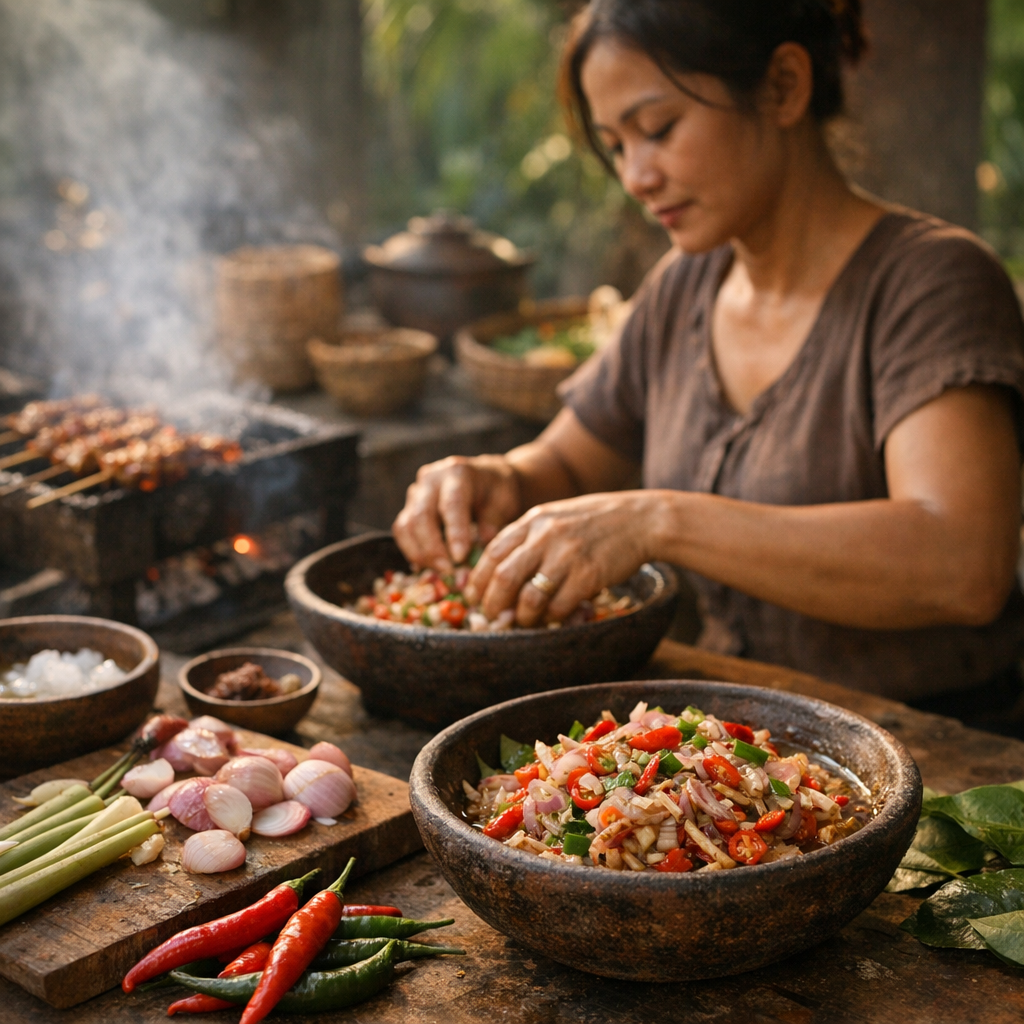
Discover the vibrant flavors of Bali with sambal matah bali, a fresh, fiery raw condiment made from shallots, bird’s eye chilies, lemongrass, kaffir lime leaves, and warm coconut oil. This easy-to-make sambal adds a spicy, aromatic kick to grilled dishes, rice, and veggies—truly a must-try taste of authentic Balinese cuisine.
June 30, 2026
Escape everyday stress with a Bali wellness retreat—an immersive journey into relaxation, holistic healing, and cultural immersion. From serene jungle hideaways to beachfront resorts, enjoy yoga, meditation, traditional Balinese therapies, and nutritious plant-based meals. Discover top retreats like Fivelements and Como Shambhala, and learn how to choose and prepare for your perfect wellness getaway.